Comprehensive Guide to Conference Room Av Systems for 2026 Planning
Wiki Article
Conference room AV systems play a crucial role in up-to-date workplace communication, enabling seamless video conferencing, collaborative presentations, and remote teamwork. Organizations across the United States are investing in advanced audio visual solutions to stay competitive and support hybrid work models. Understanding the central components, budgeting considerations, and integration procedures helps companies make informed decisions for their 2026 technology roadmaps.
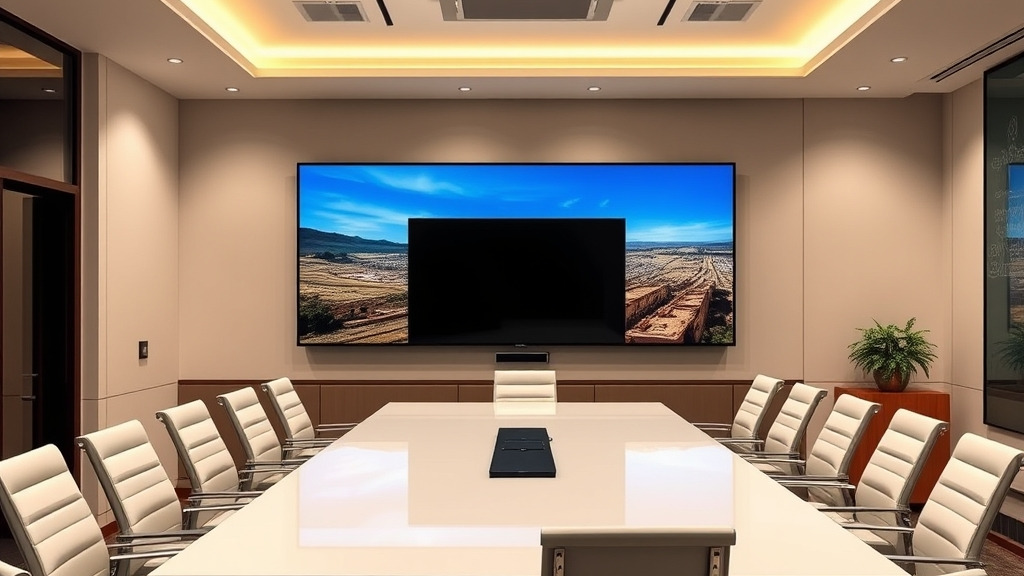
conference room AV systems: Key Conference Room AV Planning Factors
Proper conference room AV planning begins with reviewing the space requirements, expected usage patterns, and technical capabilities needed for your organization. Start by reviewing room dimensions, ceiling height, and existing infrastructure to determine optimal speaker placement, screen sizing, and camera positioning. Consider the types of meetings your team conducts most often, as this will dictate whether you need basic video conferencing capabilities or more high-level collaboration features. Create a detailed specifications document that outlines required audio visual equipment, connectivity options, and integration requirements before engaging vendors or scheduling installations. This foundational planning stage prevents costly modifications later and helps ensure your system meets all stakeholder needs.
- Assess room dimensions and acoustic needs
- Identify meeting types and frequency
- Document technical specifications and integration needs
- Establish budget parameters and ROI expectations
- Select qualified AV integration partners
Effective conference room AV planning requires attention to both technical and human considerations. The physical environment impacts audio caliber, while user experience determines long-term adoption rates. Create a thorough timeline that includes needs assessment, vendor variety, system design, installation, testing, and training phases. Consider future expansion needs, such as adding additional display panels or integrating with emerging collaboration tools. Regular feedback collection from end users helps refine system configurations and pinpoint additional requirements that may have been overlooked during initial planning stages.
conference room AV systems: Budget-Friendly Conference Room AV System Choices
Conference room AV expense considerations vary dramatically guided by system complexity, brand individual tastes, and installation requirements. Small meeting rooms commonly range from $2,000 to $5,000 for basic setups, while larger conference spaces can exceed $15,000 for thorough solutions. Factor in ongoing maintenance charges, software subscriptions, and upgrade cycles when calculating total price of ownership. Prioritize essential characteristics such as reliable video standard, clear audio capture, and easy-to-use interfaces over premium add-ons that may never see regular use.
When selecting conference room AV systems, evaluate vendors based on warranty terms, technical help availability, and system scalability. Request detailed quotes that break down equipment expenses, labor charges, and any additional services like calibration or training. Consider leasing options that provide access to newer technology without substantial upfront investments. Many providers offer modular systems that allow incremental upgrades as your organization's needs evolve, protecting your initial investment while accommodating growth.
- Basic setup: $2,000-$5,000 for small rooms
- Mid-range: $5,000-$10,000 for medium spaces
- Premium: $10,000-$20,000+ for large conference districts
- Leasing: 36-60 month terms with upgrade options
- Maintenance: 10-15% of equipment expense annually
Conference room AV price management extends beyond initial purchase choices. Establish a preventive maintenance schedule that features regular software updates, cleaning of microphones and speakers, and system performance testing. Document all warranty periods and service agreements to maximize equipment lifespan. Consider forming a cross-functional team that covers IT, facilities, and end users to assess proposals and ensure selected options align with organizational requirements and budget constraints.
conference room AV systems: Conference Room AV Integration and Testing Procedures
Conference room AV integration includes coordinating multiple components to create a unified, user-friendly experience. Work with experienced AV integration specialists who understand cabling requirements, network infrastructure, and software compatibility. Develop a complete integration plan that features equipment staging, installation scheduling, and coordination with building maintenance teams. Test all connections thoroughly before final system commissioning to recognize potential issues early in the sequence.
During integration, focus on creating clean cable handling solutions that minimize visual clutter while keeping accessibility for future maintenance. Implement proper grounding and surge protection to safeguard sensitive electronic equipment. Establish clear labeling conventions for all connections and ports to simplify troubleshooting and future expansions. Document system configurations and user manuals to ensure seamless operation and reduce dependency on external support.
- Verify all cable connections and network integrity
- Conduct acoustic and visual quality tests
- Test remote participation scenarios
- Document system configurations and user procedures
- Perform final acceptance testing with end users
Post-installation testing ensures your conference room AV systems perform reliably under real-world conditions. Schedule comprehensive testing sessions that simulate typical meeting scenarios, including presentations, video conferences, and collaborative activities. Capture performance metrics and user feedback to pinpoint any adjustments needed before official system handoff. Create a detailed testing report that serves as reference for future maintenance and troubleshooting tasks.
Effective conference room AV integration blends technical expertise with practical user points to review. The goal is to create systems that improve productivity rather than complicate daily operations. Regular system evaluations and user feedback collection help identify opportunities for optimization and ensure your technology investment continues offering value long after installation.
Implementing robust conference room AV systems requires strategic planning, cost control, and careful integration processes. Start with thorough needs assessment, develop realistic budgets, and work with qualified integration partners who understand your individual requirements. Regular testing and maintenance will ensure your systems remain reliable and continue supporting your organization's communication needs well into 2026 and beyond.
Find out more on - conference room AV planning
Report this wiki page